Source high elasticity anti slip yoga socks for Yoga, Pilates, Fitness
Find 30 listings for high elasticity anti slip yoga socks suitable for yoga, pilates, and fitness. Compare customization options, materials like cotton and spandex, and non-slip features from suppliers in China.
Key considerations
Products List






Comprehensive Sourcing Guide
Strategic Sourcing Guide for High Elasticity Anti-Slip Yoga Socks
The global demand for specialized athletic apparel has elevated the category of high elasticity anti-slip yoga socks from a niche accessory to a critical component of modern fitness routines. For B2B procurement professionals, sourcing these items requires a nuanced understanding of material science, manufacturing capabilities, and supply chain logistics. This guide synthesizes observed market data and technical specifications to provide a robust framework for evaluating suppliers and securing high-quality inventory. The focus remains on the intersection of performance, customization, and cost-efficiency, ensuring that buyers can make informed decisions without relying on unverified marketing claims.
Material Composition and Elasticity Engineering
The foundation of a high-performance yoga sock lies in its fabric composition. Observations from the current market indicate that successful products in this category typically utilize a blend of Spandex, Cotton, and Polyester. The inclusion of Spandex is non-negotiable for the "high elasticity" requirement, as it provides the necessary stretch and recovery to ensure the sock stays securely on the foot during dynamic movements. Cotton is frequently cited as a primary component, offering breathability and comfort against the skin, which is essential for prolonged wear during Pilates or yoga sessions.
However, material selection is not uniform across all suppliers. Some listings specify a composition of Spandex and Cotton, while others introduce Nylon or Polyester to enhance durability and moisture-wicking properties. For instance, a specific product model observed features a fabric composition of Spandex, Polyester, and Cotton, processed via a knitted technique. This knitted process is critical, as it allows for the creation of specific patterns, such as lines or quilting, which can contribute to the structural integrity and aesthetic appeal of the sock. Buyers must verify the exact percentage of elastane (Spandex) in the blend, as higher percentages generally correlate with better grip and fit retention, though they may impact the softness of the fabric. The thickness of the material also varies, with options ranging from thin to thick profiles, catering to different seasonal needs and user preferences for cushioning.
Functional Design and Anti-Slip Technology
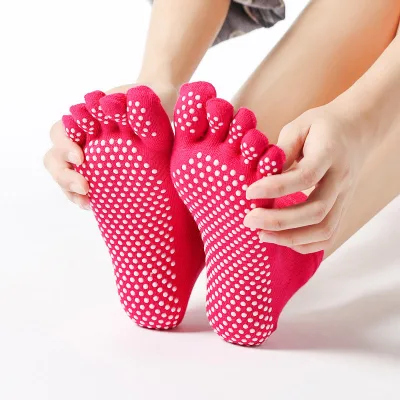
The "anti-slip" attribute is the defining functional characteristic of this product category. In the context of yoga and Pilates, the primary goal is to prevent the foot from sliding on the mat, thereby reducing the risk of injury and improving stability. The market data confirms that "Non-Slip" is a standard feature listed for these products. This functionality is often achieved through specific design elements such as silicone grips on the sole or specialized stitching patterns like quilting and lines that increase friction.
When evaluating potential suppliers, buyers should look for evidence of how the anti-slip feature is integrated. Is it a printed coating, a silicone application, or a woven texture? The observed product specifications mention features like "Non-Slip" and "Durable," suggesting that the grip mechanism is designed to withstand repeated washing and use. Furthermore, the application of these socks extends beyond just yoga; they are marketed for use in Pilates, fitness, exercise, running, sports, football, hiking, tennis, and outdoor activities. This versatility implies that the anti-slip technology must be robust enough to handle various surfaces and intensities of movement. Buyers should request samples to test the grip on different mat types, as the effectiveness can vary significantly based on the specific surface texture and the condition of the sock sole.
Customization Capabilities and Brand Integration
One of the most significant advantages of sourcing yoga socks from manufacturers in regions like Jiangsu, China, is the high degree of customization available. The market data explicitly states that customization is available for logos, sizes, and even the product standard. This flexibility allows brands to differentiate their offerings in a crowded marketplace. The "Logo" attribute is frequently listed as "Customized" or "Customized Logo Available," indicating that suppliers are equipped to apply brand identities through various methods, such as screen printing, embroidery, or heat transfer.
Beyond branding, the customization extends to physical specifications. The "Size" is listed as "Customized" in several instances, meaning buyers are not limited to standard sizing charts. This is particularly valuable for niche markets or brands targeting specific demographics. Additionally, the "OEM/ODM" (Original Equipment Manufacturer/Original Design Manufacturer) status is accepted by many suppliers, allowing for full product development from concept to production. The "prod_packing" can also be tailored according to client requests, ranging from standard OPP bags to custom packaging solutions. This level of service is crucial for businesses looking to build a cohesive brand identity and control the unboxing experience. However, buyers must ensure that the customization process does not compromise the structural integrity of the anti-slip features or the elasticity of the material.
Cost Drivers and Pricing Dynamics
Understanding the cost structure of high elasticity anti-slip yoga socks is essential for effective budgeting. The observed price range in the market is between $0.20 and $3.88 USD per unit. This wide variance is driven by several factors, including material quality, customization complexity, order volume, and packaging requirements. The "MOQ" (Minimum Order Quantity) also plays a pivotal role in pricing, with observed ranges spanning from 1 to 2000 units. Lower MOQs, such as 1 unit, are often associated with higher per-unit costs, while larger orders typically benefit from economies of scale.
The material composition is a primary cost driver. Blends containing higher percentages of Spandex or specialized Nylon may command a premium price compared to standard Cotton blends. Similarly, the thickness of the sock and the complexity of the anti-slip design can influence the final cost. For example, a "Thick" sock with intricate quilting patterns may be more expensive to produce than a "Thin" version with simple lines. Packaging is another variable; while standard OPP bags are common, custom packaging according to client requests will incur additional costs. Buyers should analyze their specific needs against these cost drivers to determine the optimal balance between quality and affordability. It is important to note that while the price range is observed, specific quotes will depend on the final specification and volume negotiated with the supplier.
Supplier Evaluation and Quality Assurance
Selecting the right supplier requires a rigorous evaluation process that goes beyond price and minimum order quantities. The location of the manufacturer, such as Jiangsu, China, is a known hub for textile production, but buyers must verify the specific capabilities of each facility. Key areas of evaluation include the supplier's experience with knitted processes, their ability to maintain consistent elasticity, and their track record with anti-slip technology. The "Process" attribute, specifically "Knitted," should be confirmed to ensure the manufacturing method aligns with the desired product characteristics.
Quality control is paramount in this category. Buyers should request samples to test for durability, elasticity retention after washing, and the longevity of the anti-slip grip. The "Feature" attribute lists "Durable" as a key characteristic, but this must be validated through physical testing. Additionally, the "Weight" of the product, observed at approximately 0.05 to 0.06 kg per unit, can serve as a benchmark for consistency. Significant deviations in weight may indicate variations in material density or thickness, which could affect performance. Buyers should also inquire about the supplier's quality assurance protocols, including in-line inspections and final random checks. While specific certifications like GOTS or ISO 9001 are mentioned in background contexts, buyers should verify the actual certification status of the supplier rather than assuming compliance based on general industry knowledge.
Long-Term Procurement and Supply Chain Resilience
For long-term success, procurement strategies must account for supply chain resilience and scalability. The "prod_origin" is consistently listed as China, which presents both opportunities and challenges. While the region offers competitive manufacturing costs and extensive supply chains, geopolitical factors and logistics can impact lead times. Buyers should establish clear communication channels regarding lead times and production schedules, as these can vary based on order volume and customization requirements.
The "prod_packing" attribute, which can be customized, also plays a role in logistics efficiency. Standardizing packaging can reduce shipping costs and minimize damage during transit. Furthermore, the ability to order in varying quantities, from single items to bulk orders of 2000 units, allows buyers to manage inventory levels flexibly. However, relying on a single supplier for all needs can pose risks. Diversifying the supplier base or maintaining a relationship with multiple manufacturers can mitigate the risk of supply disruptions. Buyers should also consider the environmental impact of their sourcing decisions, especially as sustainability becomes a growing concern in the textile industry. While specific eco-friendly certifications may not be universally present, buyers can inquire about the use of sustainable materials or ethical manufacturing practices as part of their supplier evaluation criteria.
Application Versatility and Market Positioning
The versatility of high elasticity anti-slip yoga socks makes them suitable for a wide range of applications, from dedicated yoga studios to general fitness centers and outdoor sports. The "Usage" attribute highlights applications in Yoga, Pilates, Fitness, Exercise, Running, Sports, Football, Hiking, Tennis, and Outdoor Sports. This broad applicability suggests that the product can be marketed to diverse consumer segments, increasing the potential market size for buyers.
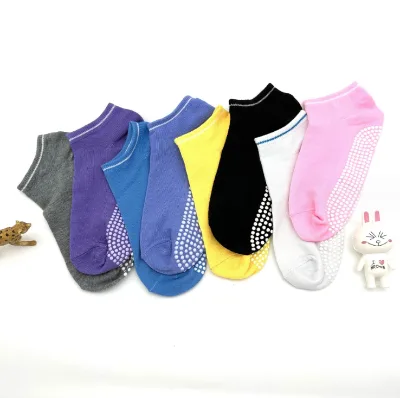
The "Style" of the socks, often described as "Stockings" or "Crew Socks," allows for further differentiation. The "Pattern" options, such as lines or quilting, add an aesthetic dimension that can appeal to fashion-conscious consumers. The "Color" availability, ranging from 1 to 5 options, provides additional flexibility for brand alignment. Buyers should leverage this versatility to position their products effectively in the market. For instance, a brand targeting serious athletes might emphasize the durability and anti-slip features, while a lifestyle brand might focus on the style, color, and customization options. Understanding the specific needs of the target audience will help in selecting the right product specifications and marketing strategies.
Conclusion
Sourcing high elasticity anti-slip yoga socks requires a comprehensive approach that balances technical specifications, customization needs, and cost considerations. By focusing on material composition, functional design, and supplier capabilities, buyers can secure high-quality products that meet the demands of the modern fitness market. The observed data provides a solid foundation for making informed decisions, but continuous verification and quality control are essential to ensure long-term success. As the market evolves, staying informed about material innovations and supply chain trends will be key to maintaining a competitive edge in this dynamic sector.
FAQs
What materials are used for high elasticity anti slip yoga socks?
These socks typically use blends of Spandex, Cotton, and Polyester to ensure stretch and comfort. Some variations include Nylon for enhanced durability, while others rely on a Spandex and Cotton mix. The fabric is knitted to create specific patterns like lines or quilting that support the anti-slip function.
Can I customize the logo and size for these yoga socks?
Yes, customization is available for logos, sizes, and product standards to meet specific brand needs. Buyers can request customized logos, and sizes can be tailored rather than limited to standard charts. Packaging can also be adjusted according to client requests, ranging from OPP bags to custom solutions.
How does the anti-slip feature work on these socks?
The non-slip attribute is achieved through design elements like silicone grips or specialized stitching patterns such as quilting. These features increase friction to prevent sliding on mats during yoga, Pilates, or other sports. The design is intended to be durable and withstand repeated washing and use.
What is the minimum order quantity for sourcing these socks?
The minimum order quantity ranges from 1 to 2000 units depending on the supplier and customization level. Lower MOQs like 1 unit are available but may carry higher per-unit costs, while larger orders benefit from economies of scale. Buyers should verify specific MOQ requirements with individual manufacturers.
Where are these high elasticity anti slip yoga socks manufactured?
The products originate from Jiangsu, China, a known hub for textile production. This location offers competitive manufacturing costs and extensive supply chains for knitted goods. Buyers should confirm specific factory capabilities and lead times as these can vary based on order volume and customization requirements.
What is the price range for these yoga socks?
The observed price range in the market is between 0.20 and 3.88 USD per unit. This variance is driven by material quality, customization complexity, order volume, and packaging requirements. Specific quotes will depend on the final specification and volume negotiated with the supplier.